The Ugly Truth: The Macro Wave Behind 2026's Selective Tech Correction: AI Deflation Hits Software Pricing Power
retailtrader.ai
The Macro Wave Behind 2026’s Selective Tech Correction: AI Deflation Hits Software Pricing Power
Introduction
The market is not experiencing a uniform tech correction. While some names hold steady or rebound, others—particularly those tied to OpenAI’s ecosystem or reliant on legacy pricing models—are facing sharp, persistent declines.

Most commentary treats these as isolated events: hype fade, earnings misses, or macro caution. But a deeper macro regime shift is at work: generative AI is proving deflationary for software pricing power, commoditizing what was once proprietary and high-margin, forcing a permanent repricing of certain tech businesses.
This thesis crystallized and was refined through conversations with SuperGrok (xAI’s advanced model), which helped pressure-test assumptions, invert common narratives, and connect the dots across market divergences, pricing mechanics, and macro rotations. The market remains the final teacher.
Section 1: OpenAI-Linked Stocks Feel the Heat
Stocks with heavy exposure to OpenAI’s ecosystem have underperformed significantly in early 2026:
- Microsoft ($MSFT), Oracle ($ORCL), AMD ($AMD), and to a lesser extent Nvidia ($NVDA) have seen meaningful drawdowns.
- Amazon ($AMZN) has been pressured but less severely, as Anthropic positions itself as an alternative.
In contrast, $GOOGL (with its own AI stack via Gemini) and $AAPL (device-centric ecosystem with incremental AI) have held up far better.
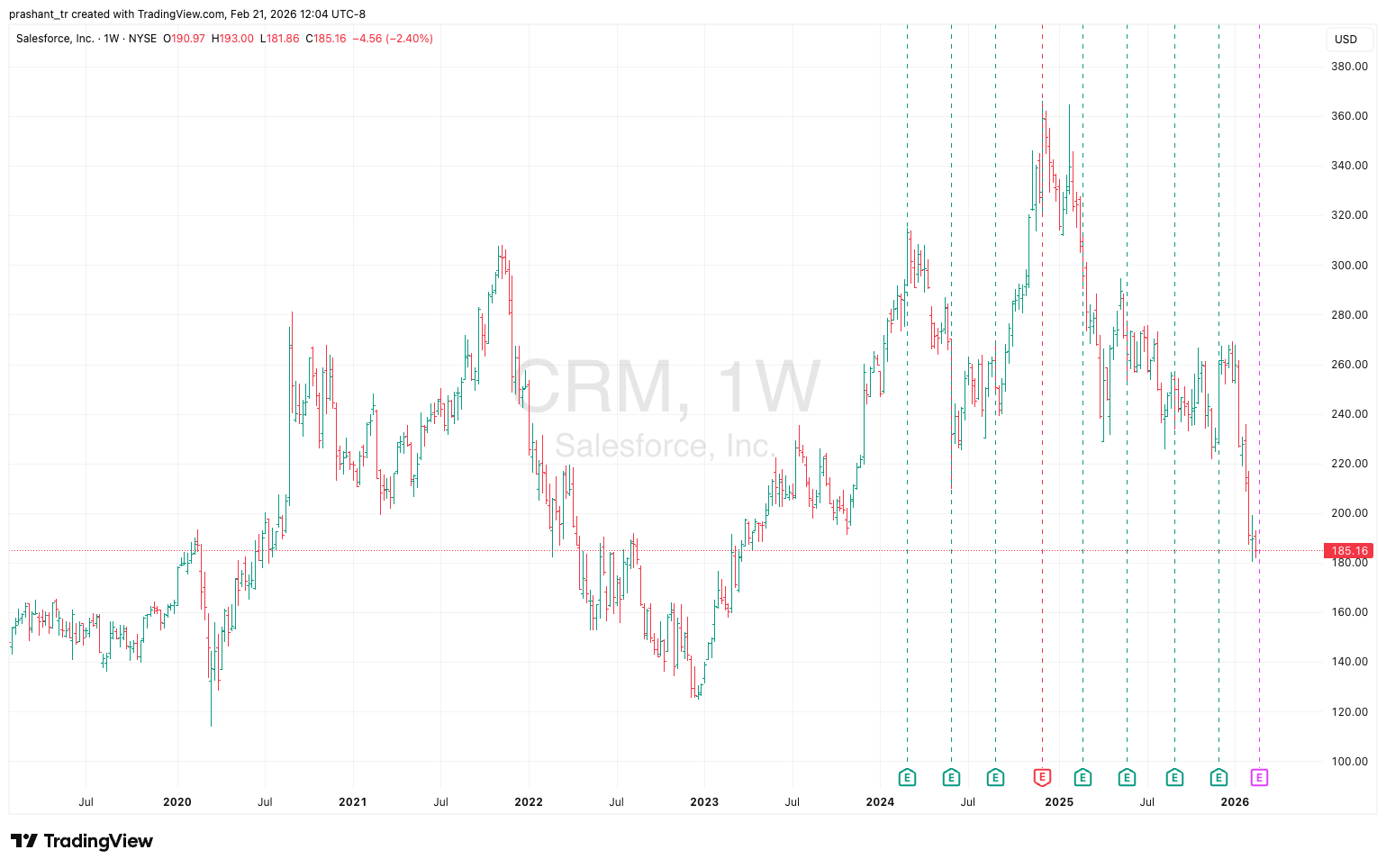
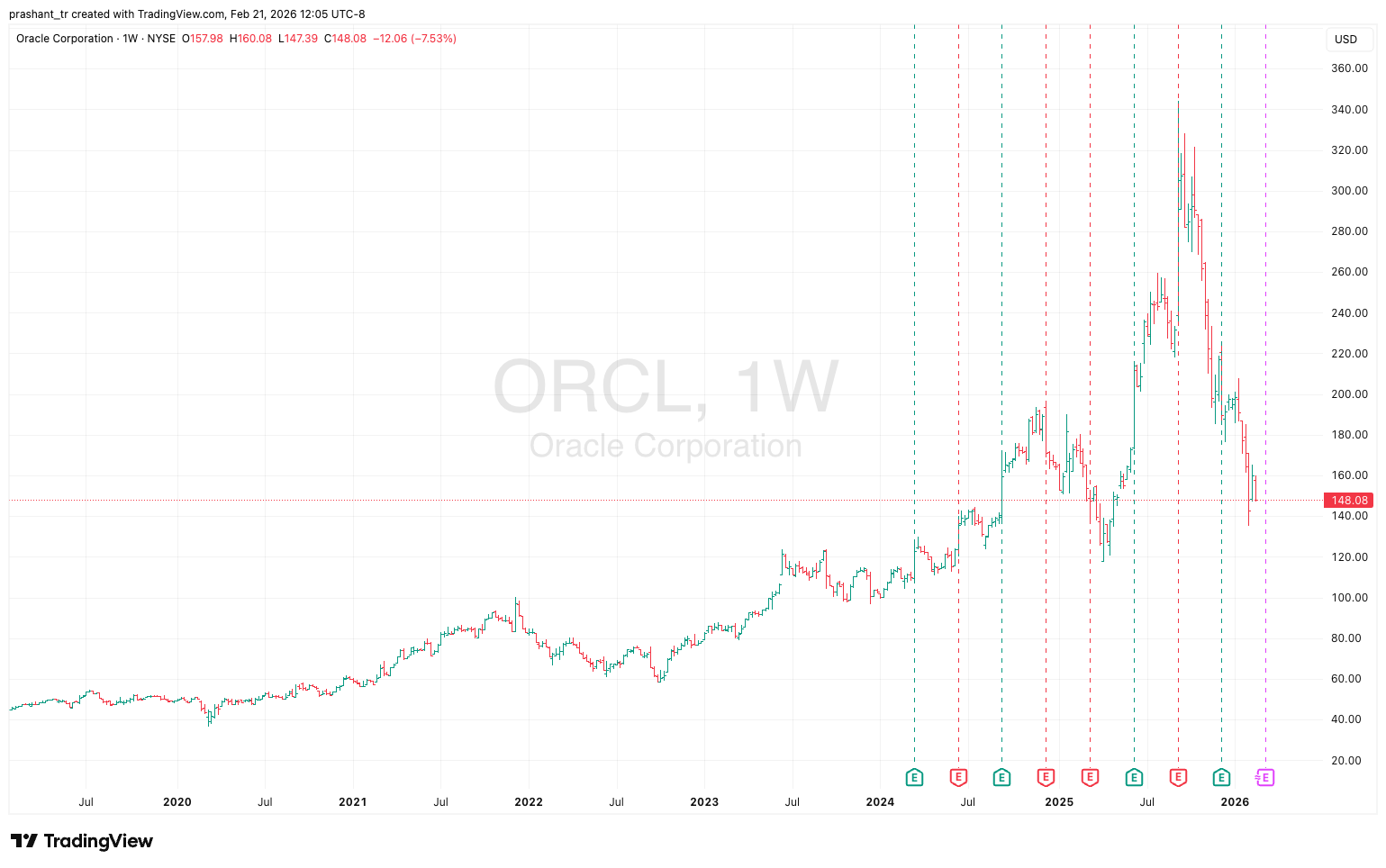
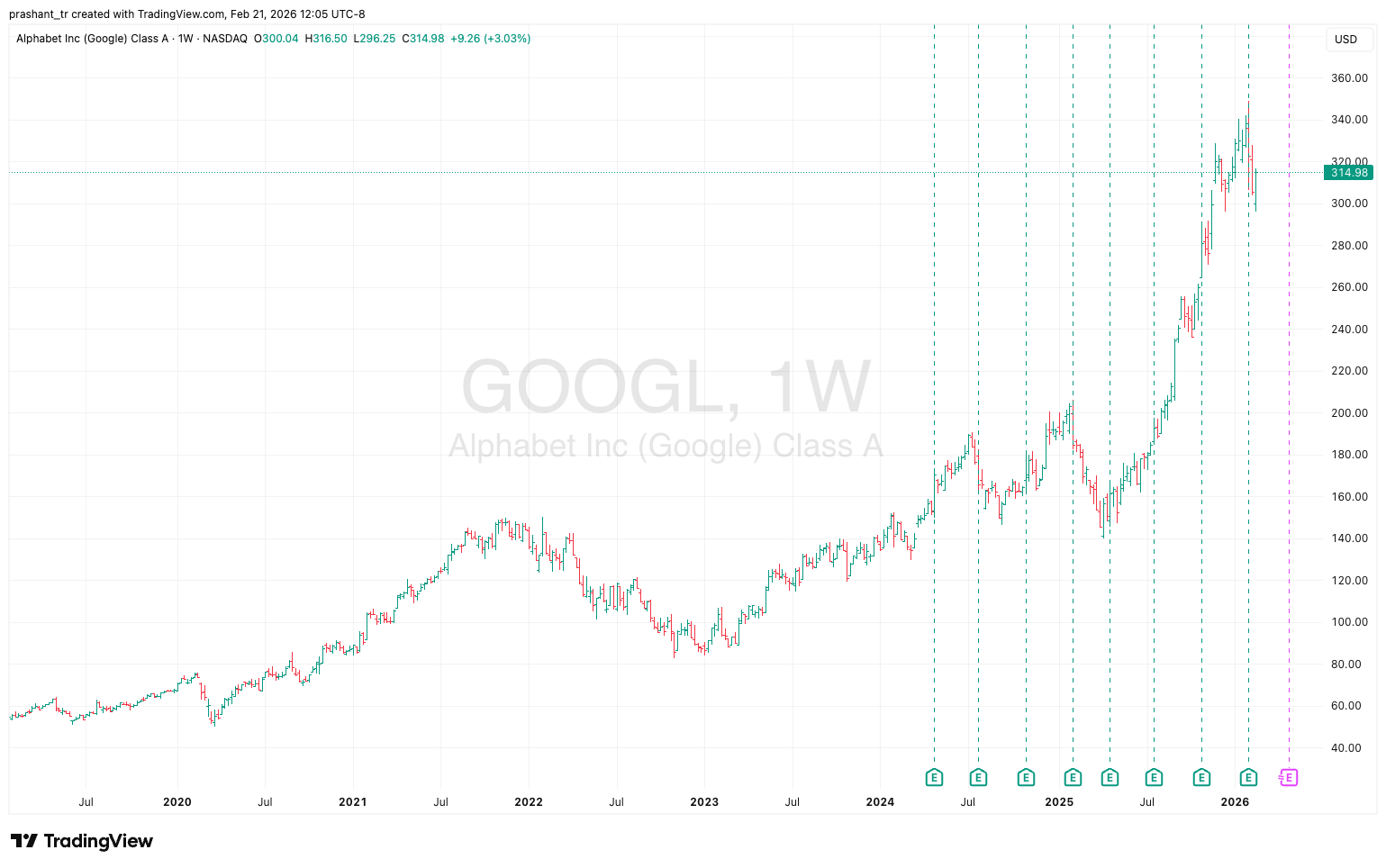
The divergence isn’t random. OpenAI’s controversies—mission drift, unsustainable compute commitments, and ongoing legal battles (e.g., the Musk lawsuit)—are accelerating skepticism about the viability of trillion-dollar AI promises. Markets are punishing concentrated exposure while rewarding diversified or insulated plays.
Section 2: Tier-2 Enterprise Software Faces Structural Repricing
By inverting the common bullish assumption that AI is a universal lift for SaaS, it becomes clear that for tier-2 players, AI isn’t an “add-on”—it’s a replacement for their entire value proposition.
The correction in tier-2 SaaS names—Salesforce ($CRM), Adobe ($ADBE), ServiceNow ($NOW), and similar—is deeper and more persistent than typical cyclical pain. These stocks are down 25–30% YTD (as of mid-February 2026), with multiples compressing sharply.
The core driver: AI is deflationary for software pricing power.
Legacy seat-based models commanded premium pricing because the functionality was proprietary and hard to replicate. Frontier AI now enables competitors (startups, open-source, in-house teams) to build near-equivalent products at a fraction of the cost—often near-zero marginal cost once models are trained.
This commoditizes the core offering, causing rapid erosion of pricing power: fewer seats needed (productivity gains) and lower $/seat (customers demand discounts or switch).
Result: structural revenue/margin pressure, not temporary slowdown. This is a permanent repricing, not a dip awaiting rebound.
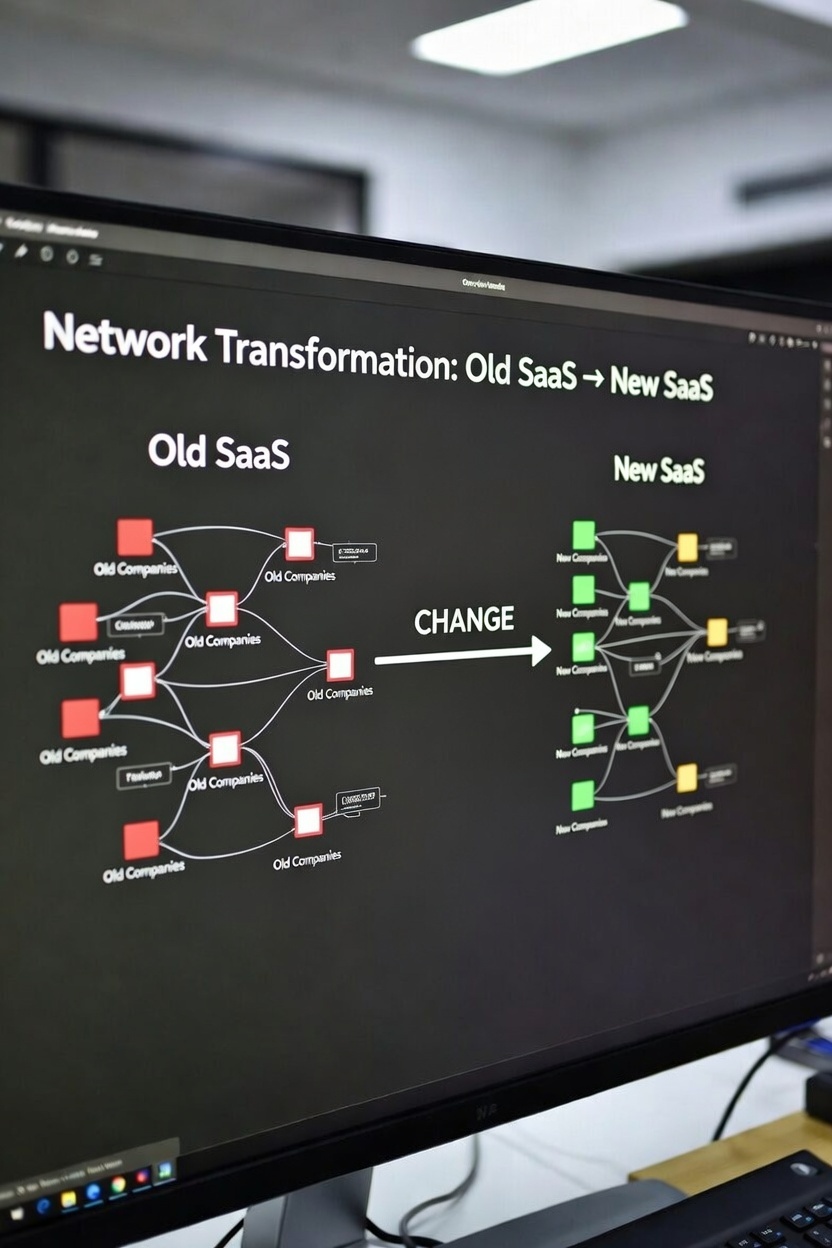
Beyond existing customers, consider the rate at which new products and companies are being built. Startups and innovators aren’t going to commit to high-priced, seat-based models when they can leverage cheap AI solutions to achieve similar (or better) functionality at a fraction of the cost.
This is formulating a new dependency chain: flexible, outcome-based AI ecosystems (open-source agents, API integrations, hyperscaler bundles) that bypass legacy pricing altogether, focusing on usage-based, consumption-based, or outcome-based pricing. The paradigm shift is self-reinforcing—lower barriers accelerate commoditization, pulling capital and talent away from tier-2 incumbents and toward the enablers of this deflationary wave.
Most investors are betting on mean-reversion: an oversold bounce, an AI monetization surprise, or a quick return to historical multiples. But if AI truly deflates software costs and commoditizes core functionality—enabling competitors to replicate what was once proprietary at a fraction of the price—the old valuation regime (30–50x multiples on growth promises) is unlikely to return.
Tier-2 SaaS names may settle into a new reality: teens to low-20s multiples, capped growth, and limited rebound potential—until (and if) a fresh equilibrium emerges.
This isn’t a temporary correction driven by sentiment or macro caution; it’s a structural paradigm shift. The market is permanently repricing what it’s willing to pay for these businesses.
Section 3: Capital Rotation to Hard Assets
As software valuations deflate, relative scarcity shifts toward physical-world assets.
AI’s insatiable power demand (data centers, training, inference) creates bottlenecks in energy, infrastructure, and materials—areas where physical constraints (power grids, construction, raw inputs) remain binding.
Markets are ultimately zero-sum: when capital flees deflating software valuations (lower multiples, capped growth), it reallocates to areas of structural scarcity and rising demand. AI infrastructure is massively physical—requiring gigawatts of reliable power, vast materials, and real-world buildout—that can’t be commoditized the way software can. This forces money into hard assets: energy (for baseload), materials (for infrastructure), and tangibles (as inflation hedges).
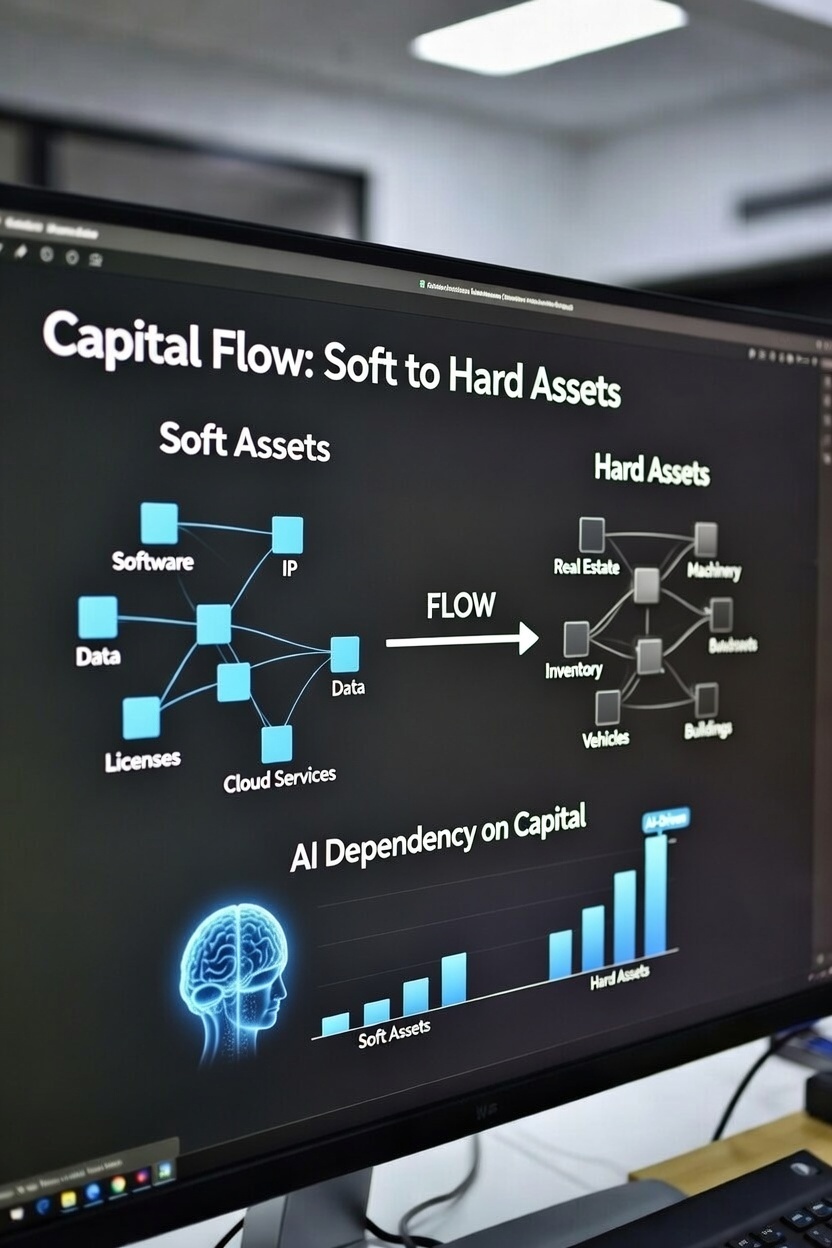
Stocks with these assets are being revalued higher as manual labor and physical limits become the new limiting factors.
- Energy names like Occidental Petroleum ($OXY) grinding higher on efficiency and power tie-ins.
- Materials like Alcoa ($AA) benefiting from infrastructure buildout.
- Property/goods proxies like RH seeing potential tailwinds as wealth effects and real-world demand rise.
- Compute enablers like Nvidia ($NVDA) capturing the hardware layer of the buildout.
This is the “revenge of atoms over bits”—a macro wave many are missing. Software deflates; physical bottlenecks become the bottleneck.
Conclusion
The market is signaling a regime shift: AI commoditizes software → pricing moats erode permanently → tier-2 tech reprices lower → capital flows to scarce hard assets.
This isn’t hype fading or cyclical weakness—it’s a structural economic change. Investors hoping for quick rebounds in exposed names may be disappointed. Those positioned for the rotation to energy, materials, and tangibles may be rewarded.
About the Author
I’m a software engineer, a former executive, and retail trader who’s been profitable without margin or hype for years (+40% in the last 6 months, ~70% over the past year, unleveraged—verified on Kinfo).
I built retailtrader.ai to solve my own problem: scanning thousands of stocks for real washouts is impossible manually, so I created an EOD, multi-day projection tool that lets people trade less but better—designed for those who work, have families, and refuse to glue themselves to screens.
This piece is me following the market’s flow, not any guru. I use first-principles thinking, inversion, and simplicity to cut through noise. The market is the final teacher.
Twitter/X: @retailtraderAI
Website: retailtrader.ai